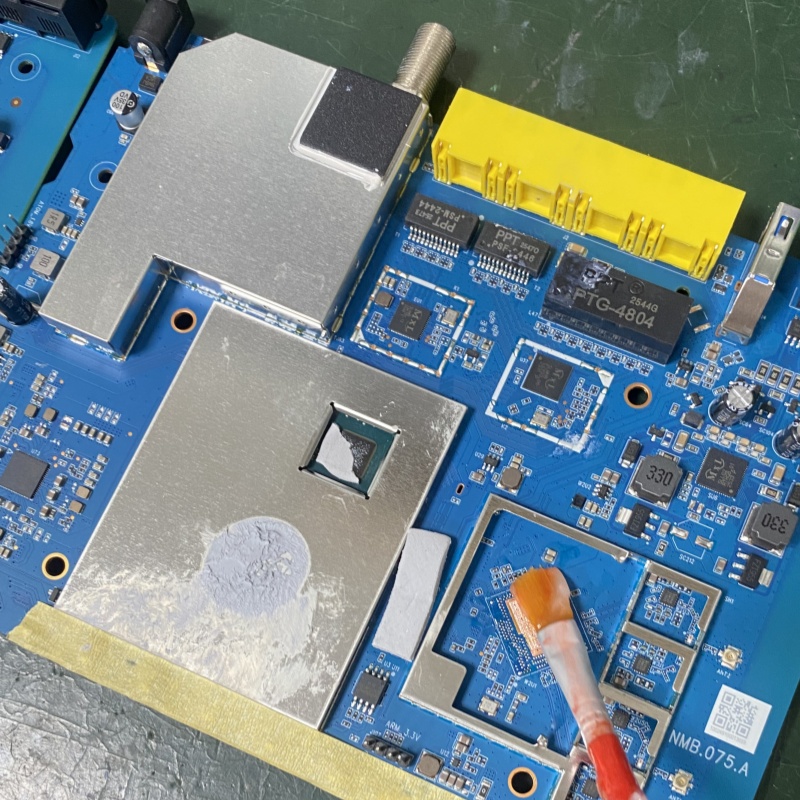
1. Apply soldering flux evenly
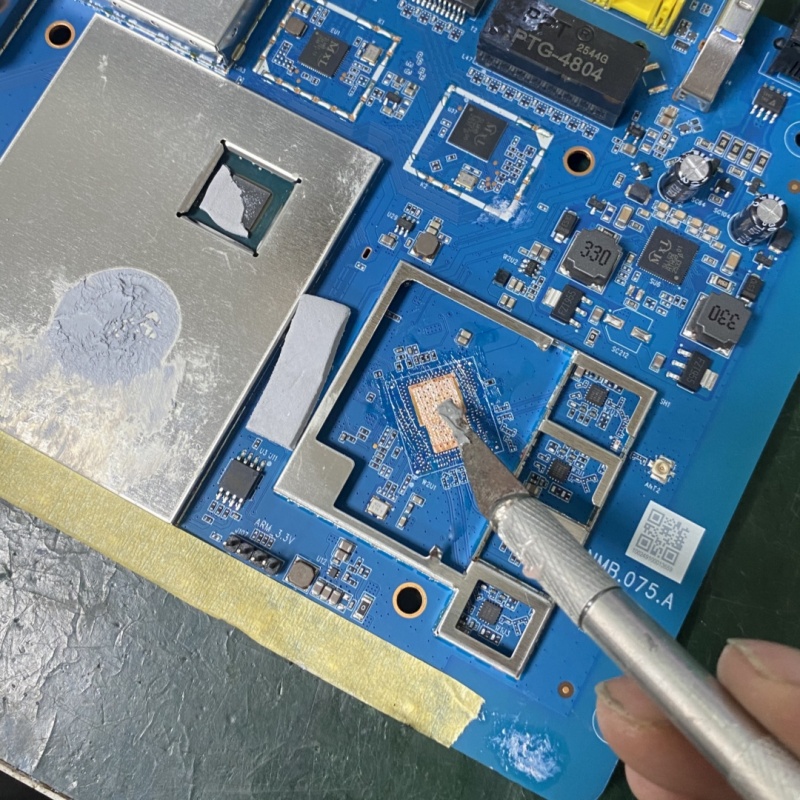
Brush soldering flux uniformly on the PCB pads of the chip position. It can remove oxide layers on pads, improve the fluidity of solder during heating, prevent cold solder joint and desoldering, and protect surrounding small components from high temperature damage.
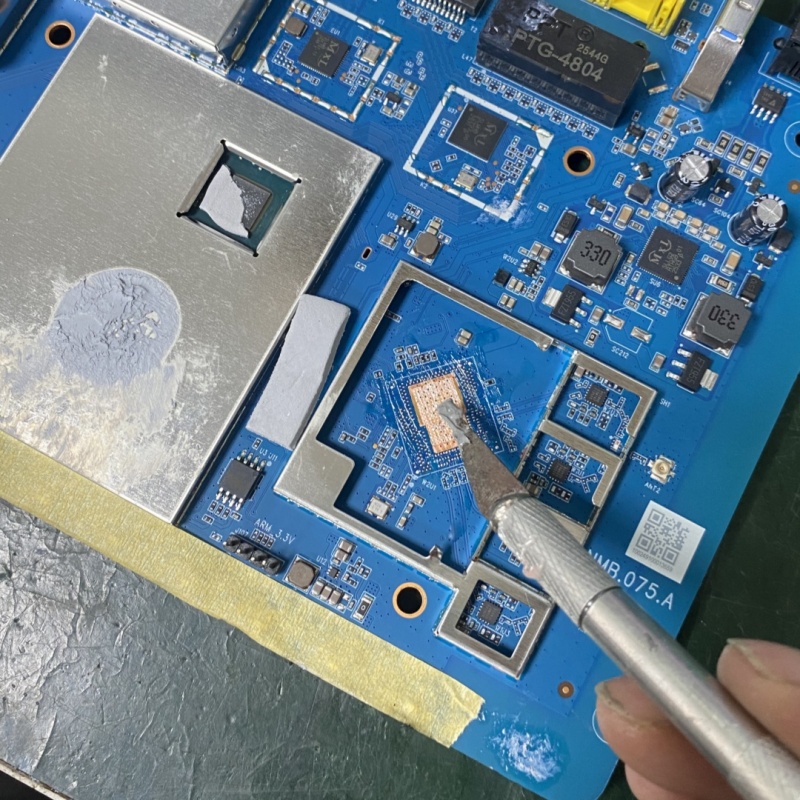
2. Scrape solder paste smoothly
Scrape appropriate amount of solder paste evenly on the pads with a scraper to ensure consistent solder volume for each solder point, avoiding excessive solder or insufficient solder, laying a solid foundation for chip mounting and soldering.
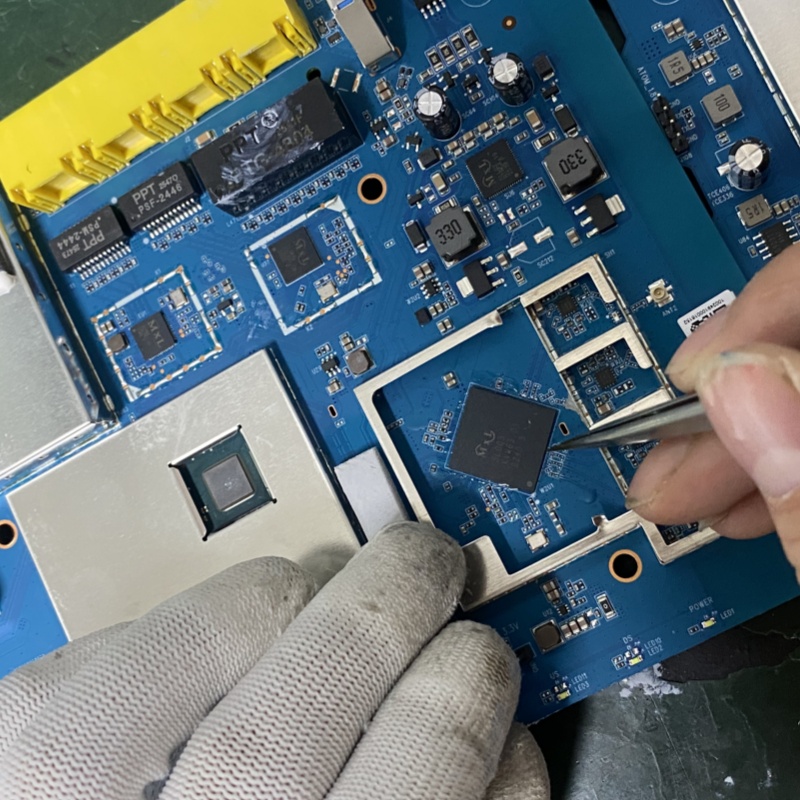
3. Align and place the chip
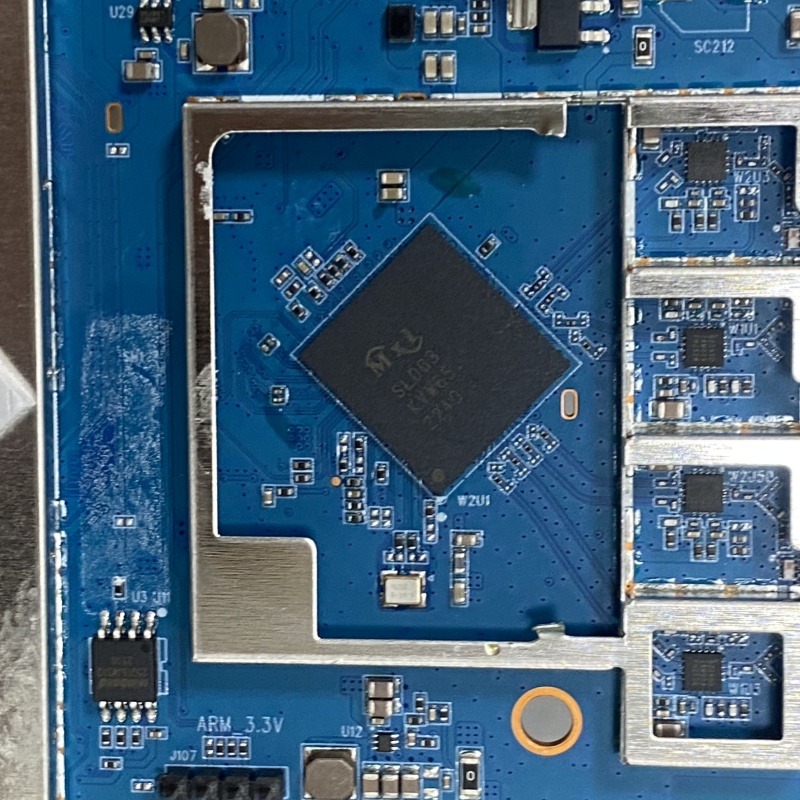
Use tweezers to pick up the chip, align it precisely with the positioning frame of PCB pads, place the chip stably, check the position repeatedly to guarantee perfect alignment between chip pins and pads without offset or tilt.
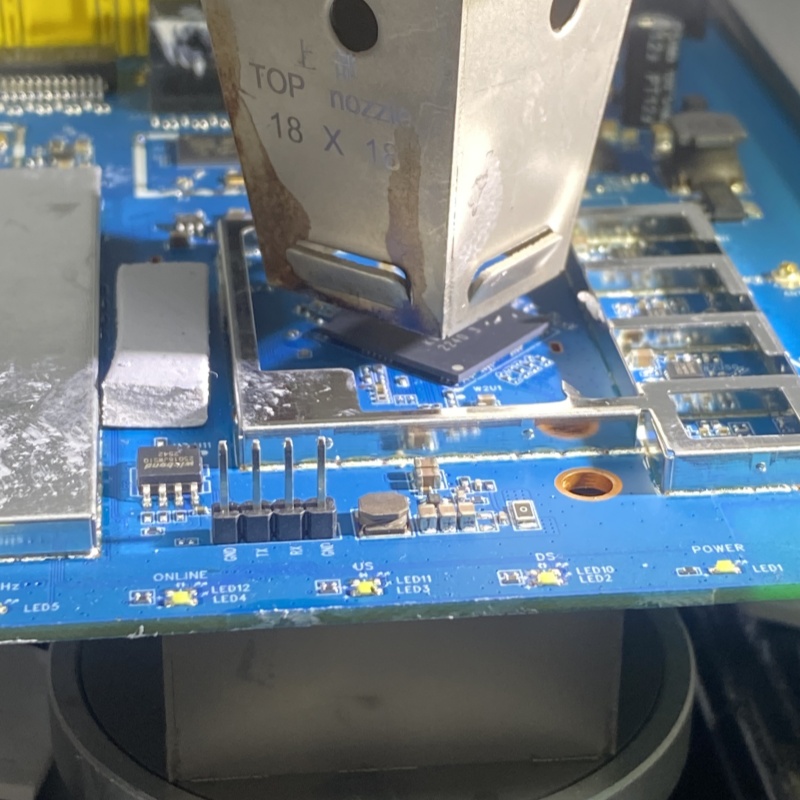
4. Heat and solder on rework station
Place the PCB with positioned chip on the working station of BGA rework machine, install the matched nozzle, start the segmented temperature control program for heating. Rely on stable upper and lower independent temperature zones of the rework station to melt solder paste gradually and finish bonding soldering.
5. Completion of soldering
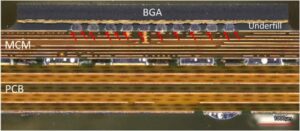
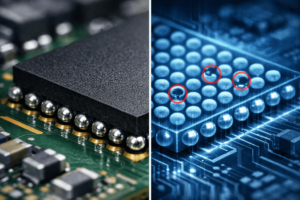
Take off the PCB after natural cooling. The chip is firmly attached to pads with neat and full solder joints, no bridging or empty soldering. The whole chip rework and soldering process is finished successfully.