👉 A simplified science explanation for everyday car owners is here
With the rapid growth in the number of new energy vehicles on the road, fault cases involving ECUs, battery management systems, and electric drive controls are also increasing. Many owners are advised to “replace the entire ECU unit” as soon as they enter a 4S dealership, with quotes often reaching tens of thousands of RMB. In reality, some failures stem from BGA solder joint fatigue or cold soldering. Under suitable conditions, professional board-level rework can significantly reduce costs. However, this approach carries risks related to warranty, reliability, and safety, necessitating careful evaluation.
New Energy ECU: Common Questions and Misconceptions
- J.D. Power's 2025 China New Energy Vehicle Initial Quality Study indicates that issues related to electronic control systems have increased in new energy vehicle models. However, publicly available reports do not break down failure modes to the specific level of “BGA solder joints.”
- Constant illumination of dashboard warning lights, intermittent power loss, or inability to start the engine should only be considered as “potentially involving the ECU or electronic control system.” These symptoms cannot be directly attributed to BGA solder joint issues and require professional diagnostic equipment and troubleshooting procedures to confirm the root cause.
Further Reading (Quality and Maintenance Costs):
Case Study: When Do People Opt for BGA Rework?
Tesla Owners: Costly ECU Replacement vs. Board-Level Repair
-
On overseas forums (e.g., Reddit r/TeslaLounge), Model 3/Y owners report camera, navigation, or Autopilot failures after OTA updates. Service centers diagnose related ECU module faults, quoting replacements at $2000–2500. Some owners whose vehicles are out of warranty have turned to third-party board-level repairs, reducing costs to a few hundred dollars. However, these are individual case experiences and should not be viewed as a “universal solution.”
-
These ECUs typically involve software calibration and vehicle binding. Unauthorized repairs may compromise future official updates and warranty coverage, requiring owners to understand the risks beforehand.
BYD / Chinese Brands: Parts Delays and “Difficult, Expensive” Repairs
-
Domestic media reports indicate widespread complaints among new energy vehicle owners about “long parts wait times and high assembly costs,” particularly for electronic control assemblies and battery-related control modules. Some cases resort to third-party decapsulation and BGA rework to control expenses.
-
Mitchell claims data also indicates that pure electric vehicles incur higher average per-repair costs and greater reliance on OEM parts during collision repairs compared to gasoline vehicles. This structural factor significantly contributes to the high cost of repairs.
Further Reading (Repair Ecosystem):
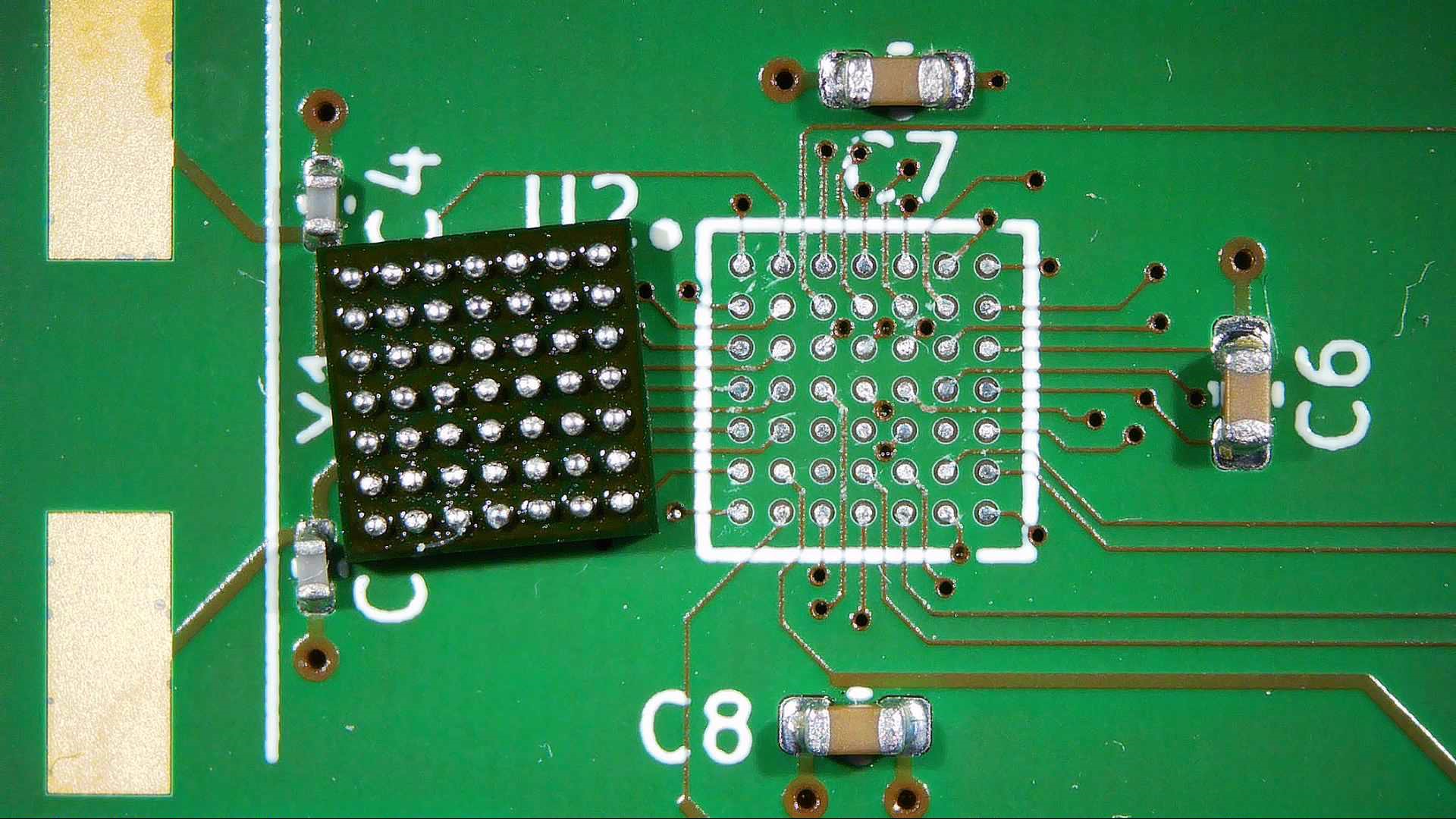
BGA Repair Process: Best Handled by “Professional Facilities,” Not DIY
Key Steps Overview (Simplified Version)
-
Diagnosis: Rule out power supply, wiring harness, or software issues via fault codes, waveforms, and functional testing. Determine whether the chip itself or solder joints may be faulty—don't just disassemble boards based on visible lights.
-
Encapsulant Removal: Apply controlled preheating and localized heating to the encapsulant area (board-level preheating typically ranges from 120–160°C to minimize thermal stress). Then mechanically/chemically remove the encapsulant to prevent tearing of pads and inner layer traces.
-
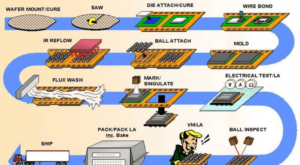
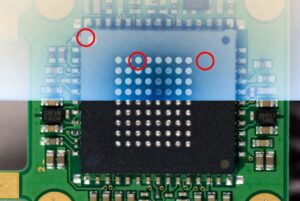
BGA rework: Remove suspected failed BGA devices, clean the chip and PCB pads, reball the solder balls, and reflow solder using an appropriate temperature profile. Typically follows rework standards like IPC-7711/21 and requires technicians with specialized equipment.
Success Rates and Risk Considerations (Blog Tone Recommendation)
-
While BGA rework success rates can reach high levels in general electronics with professional techniques and experienced personnel, automotive ECUs require additional considerations like multilayer thick boards, thermal cycle life, and environmental stresses. It is inadvisable to promote this as a “100% solution.”
-
For ECUs controlling critical safety functions like braking, steering, or airbags, vehicle owners should not attempt unauthorized board-level repairs without fully understanding the risks. Prioritize consulting the OEM or authorized service centers for solutions. solanaev+1
Further Reading (Processes & Standards):

When to Consider Repairs vs. When to Replace Parts?
-
If the vehicle is still under manufacturer warranty, prioritize authorized service channels and avoid any unauthorized disassembly that could lead to warranty disputes. For critical components like ECUs, some manufacturers may indeed deny claims if unauthorized repairs or modifications are performed.
-
For vehicles out of warranty with high-cost parts where diagnostics initially pinpoint a single chip or solder joint area, consult an experienced third-party board-level repair provider. Request a clear quote, repair scope, and warranty terms before evaluating whether it's worth pursuing.
Further Reading (Warranty & Third-Party Repairs):