In modern electronics repair and rework, choosing the right heating technology is critical for successful PCB component replacement. As a professional rework station manufacturer, we present this technical comparison between hot air and infrared (IR) rework systems to help professionals make informed decisions.
Hot Air Systems:
-Immediate temperature response
-Better for small, heat-resistant components
-Lower initial investment cost
-Easier operator skill requirements
Infrared Systems:
-Uniform heating for large components
-Reduced thermal stress on PCBs
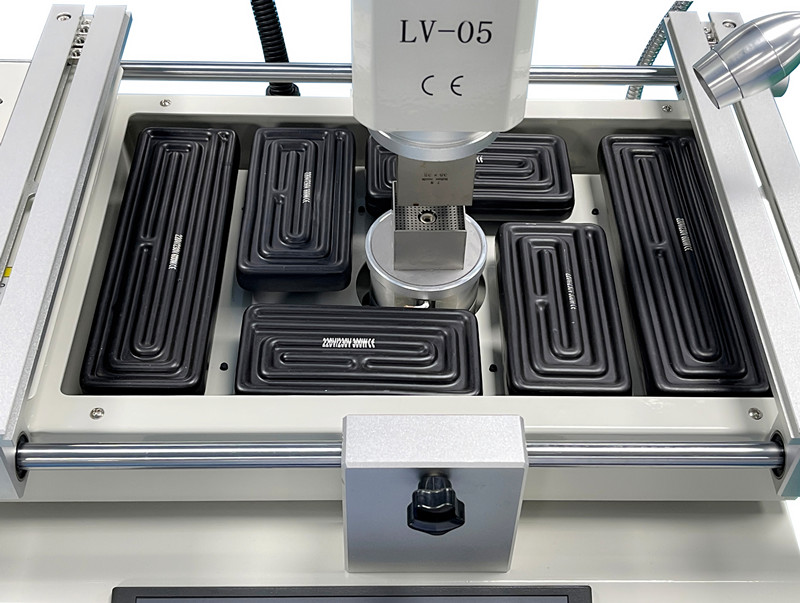
-Simultaneous multi-zone heating capability
-No airflow interference with components
Technical Limitations
Hot Air Challenges:
-Air turbulence may displace small components
-Higher risk of PCB warping with prolonged use
-Limited effectiveness on shielded components
IR System Considerations:
-Higher initial cost
-Requires precise emissivity calibration
-Steeper learning curve for operators
Application Recommendations
Choose Hot Air when:
-Working with lead-free solder (high temp requirements)
-Handling small-scale, frequent rework tasks
-Operating under budget constraints
Opt for Infrared when:
-Processing heat-sensitive components
-Working with large BGAs or array packages
-Requiring repeatable, documentation-grade repairs
Hybrid Solutions
Advanced rework stations now combine both technologies:
-IR preheating + hot air precision heating
-Hot air component removal + IR reballing
-Achieve 30% faster cycle times vs single-technology systems
Why Our Rework Stations Stand Out
Our lwfix systems integrate:
-Intelligent closed-loop temperature control
-Ergonomic modular designs
-Multi-technology compatibility
-Industry-leading thermal recovery rates
Contact us today for a customized solution matching your specific rework requirements and production environment.