BYD ECU Structural Characteristics: Integration and BGA Risks
The core control units (such as VCU, MCU, BMS, etc.) in BYD Atto 3 and Qin EV models predominantly adopt highly integrated multi-layer PCB designs. This approach addresses the demands of compact electric vehicle cabin space, complex wiring, and high-current environments. These controllers predominantly utilize BGA (Ball Grid Array) packaging for critical components like CPUs and memory chips. All solder joints are concealed beneath the chip, enhancing signal integrity and thermal dissipation. However, this design makes them more susceptible to solder joint fatigue or cold solder joints caused by thermal cycling and mechanical stress.
-
Multilayer PCB Design: Multilayer boards enable high-density signal routing and power planes within limited space. However, improper heating during repair can cause irreversible damage like delamination or internal layer breaks, making professional BGA rework techniques essential.
-
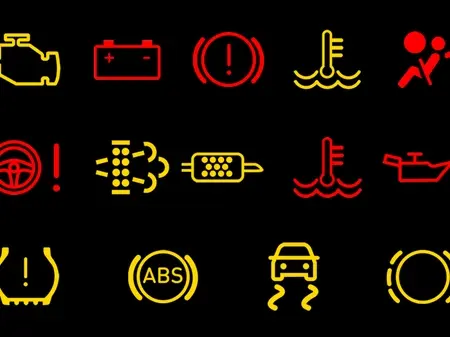
BGA-Packaged Chips: BGA solder joints endure repeated thermal cycling, vehicle vibrations, and humid conditions, making them prone to micro-cracks. Typical symptoms include intermittent fault lights during cold/hot starts, communication interruptions, or brief startup failures.
-
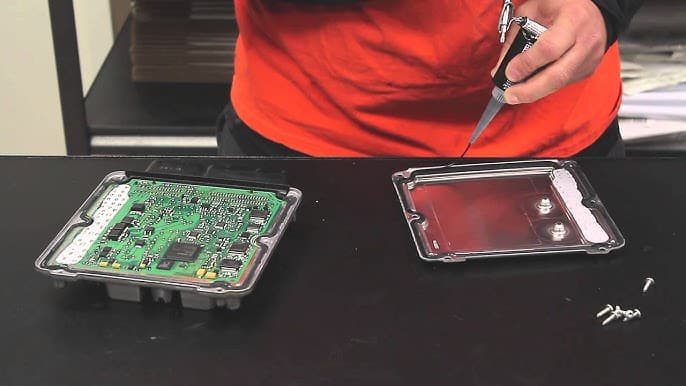
Potting Compound and Protection: Some EV control modules utilize epoxy or silicone potting compounds to enhance waterproofing, corrosion resistance, and shock absorption. During disassembly, strict control over cutting tools and hot-air operations is essential to prevent cutting through traces or pulling off component pads.
Why Do Official Repairs Prefer Full Unit Replacement?
In most overseas markets, BYD's original manufacturer or authorized service providers tend to replace entire ECU/VCU/BMS assemblies rather than perform chip-level or board-level repairs. This approach relates to compliance requirements, diagnostic procedures, and liability allocation.
-
Parts and Software Locking (VIN Binding Tendencies): In recent years, multiple automakers have implemented strategies binding core control modules to VIN, mileage, and feature configurations via software and online diagnostic systems. This ensures safety, recall management, and software version consistency. Independent repair shops have also encountered disputed cases of “port locking” when accessing ECU data. For owners, this means that even if a used ECU from a dismantled vehicle fits physically, it may not function as Plug & Play due to unauthorized software or restricted online matching.
-
Compliance and Warranty Risks: Automakers like BYD explicitly warn in official manuals and warranty terms against “unauthorized circuit modifications, module disassembly, or non-authorized repairs.” Such actions may void partial or full vehicle warranty coverage, particularly for high-voltage systems and safety-critical control modules.
-
Cost Range Explanation: Official ECU assembly prices vary significantly across markets, vehicle models, and modules, with many quotes remaining undisclosed. Some third-party examples indicate that replacing an entire EV control module assembly could cost thousands of dollars, not including cross-border logistics and wait times. cmr.berkeley To avoid misrepresentation, we recommend revising the original “1500–3500 USD” to “may reach thousands of dollars, with specific pricing subject to quotes from local BYD authorized service providers.”
Third-Party Solution: BGA Reballing Board-Level Repair
When official channels offer high prices, long wait times, or locked components that make replacements difficult, third-party board-level repairs with automotive electronics and BGA process expertise emerge as a practical alternative.
1. Does it compromise factory software and consistency?
Professional BGA reballing processes adhere to the principle of “preserving original vehicle chips and repairing solder joints.” By employing precise temperature profiles and suitable solder systems, they restore reliable connections without altering firmware content.
-
Preserve original VIN/configuration data: If the MCU/storage chip itself remains undamaged and only suffers from BGA solder joint defects, reballing or re-soldering allows continued use of the original chip. This preserves vehicle VIN binding and original calibration parameters, avoiding risks associated with online reprogramming and rematching.
-
Solder and Reliability: Some professional repair facilities opt for higher-performance lead-tin or high-reliability lead-free solder balls. Combined with techniques like preheating and zone heating, this reduces thermal stress damage to the PCB and surrounding components, enhancing long-term reliability.
2. Overview of Typical BGA Board-Level Repair Process
The following process describes general board-level BGA rework steps, suitable for professional facilities with automotive ECU repair experience and equipped with IR preheating stations, hot air rework stations, and X-ray inspection equipment.
-
Fault Diagnosis and Localization
-
Use diagnostic tools supporting OBD-II standards and manufacturer-specific protocols (e.g., common models like X431) to read fault codes. Verify whether the issue stems from communication interruptions, module offline status, or internal hardware failures. Also rule out problems with the 12V battery voltage or wiring.
-
Never remove control modules before safely disconnecting the vehicle's high-voltage system. Follow the manufacturer's specified power-off procedure.
-
-
Module Disassembly and Potting Compound Removal
- Remove the ECU casing following anti-static procedures. Gradually remove potting compound using mechanical/chemical methods, taking care to avoid scratching the PCB or plated-through holes.
-
Chip Desoldering and Ball Placement
-
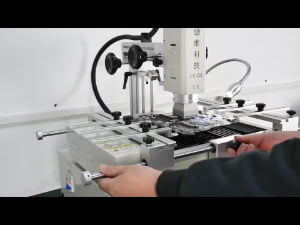
Preheat the PCB to an appropriate base temperature using a preheat station. Then uniformly heat the target chip with hot air or a BGA workstation, controlling peak temperature and duration to prevent board delamination.
-
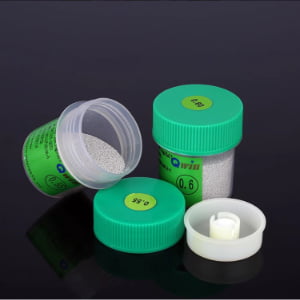
Use a stencil with 0.3–0.6 mm solder balls (depending on chip package) to complete chip-side reballing. Clean residual solder and perform wetting treatment on PCB pads.
-
-
Reflow Soldering and Cooling
- Perform secondary soldering using a pre-set temperature profile for preheat, soak, reflow, and cooling to prevent warpage or pad detachment caused by excessive heating rates.
-
X-Ray Inspection and Functional Verification
- Inspect BGA solder joints using X-Ray inspection equipment to detect defects such as bridging, voids, or misalignment. Conduct functional simulation tests on the complete vehicle or test bench to confirm complete fault resolution.
Real-World Challenges and Risk Warnings for Overseas Repairs
For overseas repair shops and vehicle owners, attempting third-party repairs of BYD ECUs requires simultaneous consideration of technical barriers, legal compliance, and warranty risks.
-
Authorized Diagnostic Access and J2534 Communication: Some automakers employ proprietary protocols or account authorization for online diagnostics, updates, and feature unlocking. Even with J2534 Pass-Thru interface capability, independent repair shops may face restricted access to specific ECU functions at security gateways or during online authentication. For vehicle owners, it's advisable to research local regulations governing vehicle data and OBD access rights beforehand. Some jurisdictions have established precedents requiring automakers to grant basic diagnostic access capabilities to independent repair shops.
-
Critical Chip and Component Supply: If the main MCU or memory chip suffers internal damage, and the firmware is encrypted with no publicly available programming methods, even acquiring a bare die of the same model makes complete cloning and functional restoration difficult—a major bottleneck for third-party repairs.
-
Safety and Liability Boundaries: ECUs govern critical safety functions like braking, power delivery, and high-voltage management. Unauthorized desoldering, rewiring, or firmware flashing by non-professional entities may create potential safety hazards. In the event of an accident, such actions could escalate disputes over liability determination and insurance claims.
-
Practical Advice for Owners: If your BYD Atto 3 or Qin EV experiences startup failure, multiple dashboard warning lights, or communication loss, first inspect the 12V auxiliary battery, power fuses, and ground connections before confirming potential ECU hardware failure. If hardware issues are confirmed, prioritize automotive electronics repair centers equipped with BGA workstations, IR preheating stations, and X-ray inspection capabilities—not general repair shops specializing only in household appliance circuit boards.
Summary
When OEM parts are unavailable or prohibitively expensive, BYD ECU repair offers vehicle owners a viable alternative. Through BGA-level precision repair, this solution not only bypasses software challenges associated with VIN-code locking but also significantly reduces lengthy repair timelines.
👉 When OEM parts are locked, board-level repair becomes the only option