The ECU is one of the brains of new energy vehicles. When it malfunctions, it can be quite troublesome, but replacing the entire unit isn't always necessary. Some issues can be resolved through board-level repairs to save costs—provided they are performed safely, compliantly, and reliably.
What is an ECU, and what symptoms indicate it's malfunctioning?
-
An ECU can be simply understood as a “mini-computer” that controls systems like the motor, battery, and charging. New energy vehicles often have multiple ECUs.
-
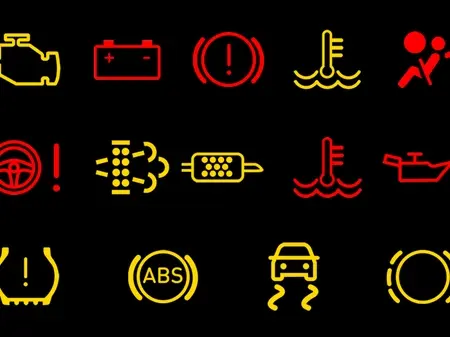
Common symptoms: Multiple dashboard warning lights, reduced power or inability to start, abnormal charging, etc. These indicate “issues with the electronic control system” but do not necessarily mean the ECU or BGA solder joints are faulty. Professional equipment is required for further confirmation.
Why Do 4S Dealerships Often Recommend “Replacing Entire Assemblies”?
-
New energy vehicles feature highly integrated electronic control assemblies. Many brands' authorized repair strategy is to “replace the entire assembly when it fails,” ensuring consistency but at a high cost.
-
Industry research shows that the average repair cost for pure electric vehicles is generally higher than that for gasoline vehicles. A key reason is the high price of electronic control components and limited scope for disassembly and repair.
Friendly Tip:
- When told “must replace the entire assembly, costing tens of thousands,” first request detailed diagnostic results and parts quotes. Then consider seeking a second opinion from another dealership or third-party inspection agency.
What is BGA rework? What does it mean for car owners?
-
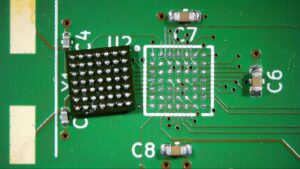
Many critical chips in ECUs use BGA packaging. Over time, under high-temperature and high-vibration conditions, solder joints may develop cracks or poor contact. In some cases, the entire board can be salvaged by “re-soldering the chip”—this is called BGA rework.
-
For car owners, the significance of BGA rework lies in this: if the issue truly stems from solder joint problems, it may replace a tens-of-thousands-dollar assembly replacement with a thousands-of-dollars board-level repair. However, this requires accurate diagnosis and a reliable repair facility.
-
For car owners, the significance of BGA rework lies in this: if the issue is indeed solder joint failure, it may allow a board-level repair costing thousands to replace a component replacement costing tens of thousands. However, this depends on three conditions: accurate diagnosis, a reputable repair facility, and your acceptance of potential warranty implications and risk changes.
When should you consider third-party repairs? When should you just replace the part?
Situations suitable for third-party repairs:
-
The vehicle is out of manufacturer warranty, and the dealership only offers full replacement solutions with quotes far exceeding a significant portion of the vehicle's current value.
-
You have a reliable source recommending a professional ECU repair facility that clearly explains the process, costs, and warranty terms, with a track record of successful cases.
-
The diagnosis is relatively clear, focusing on a specific ECU or chip area rather than a bunch of unexplained faults throughout the vehicle.
-
Diagnosis is relatively clear, with suspicion focused on a specific ECU or chip area, rather than a cluster of unexplained faults throughout the vehicle.
Situations where it is not advisable to attempt this lightly:
-
The vehicle is still under warranty, and the issue involves critical safety system ECUs such as braking, steering, or airbags. Reckless disassembly and repair may affect subsequent warranty coverage and safety liability.
-
When the repair provider cannot offer a written warranty and only promises “We'll try, and if it doesn't work, we'll see,” this means you will likely bear the cost of failure.
Four-Step Guide to Avoiding Pitfalls for Regular Car Owners
-
First, understand the diagnostic results. Have the repair shop explain: Which specific ECU module is affected, what fault codes were detected, and what other possibilities were ruled out.
-
Clarify the quotes and warranty terms for replacement versus repair. This includes: assembly cost, labor charges, warranty duration, and whether the manufacturer still covers warranty responsibilities for other systems if third-party repairs are performed.
-
Consult multiple sources for differing opinions. Seek quotes from another dealership or reputable repair shop to verify consistency. You may also inquire about solutions and pricing from specialized board-level repair facilities.
Get a second opinion. Consult another authorized dealer or reputable repair shop to verify findings. Also consider obtaining quotes and solutions from specialized board-level repair facilities.
-
Prioritize safety systems. If the issue involves brakes, steering, airbags, or other critical safety components, opt for the most reliable solution—even if it costs more—rather than choosing high-risk, cost-saving alternatives.
Conclusion: Understand the problem first, then decide how much to spend.
For many out-of-warranty new energy vehicles with expensive parts, board-level refurbishment offers significant cost savings—but it's not a cure-all. There's always the risk of “failed repairs” or “recurring issues after repair.”
The most crucial step: Identify the exact nature of the malfunction, explore available solutions (original manufacturer replacement vs. third-party refurbishment), understand the associated costs and risks for each option, and then make a rational decision based on the vehicle's remaining service life and your personal risk tolerance.