Repair Costs, Part Delays & Third-Party Reliability Compared (Real Cost Data)
By 2025, A clear trend is emerging: the more new energy vehicles are sold, the faster ECU failures surface. Meanwhile, the shortcomings of the official repair system—in terms of “cost, turnaround time, and parts availability”—are prompting more owners to seriously consider a question:
Is it reliable to repair the ECU using third-party BGA rework instead of replacing the entire assembly?
This article will use real-world cases and cost comparisons to help you find the answer.
Why Are ECU Failures Increasing in New Energy Vehicles by 2025?
From a maintenance perspective, the operating environment for ECUs in new energy vehicles is far more demanding than that of traditional fuel-powered vehicles.
1️⃣ High Voltage + High Frequency Operation: A Stress Test for BGA Solder Joints
Take models like the Tesla Model Y and BYD Qin EV as examples. Their core ECUs are often subjected to prolonged:
-
High-current, high-power loads
-
Frequent start-stop cycles
-
Repeated thermal cycling from OTA remote updates
Under these conditions, BGA-packaged chips experience accelerated solder joint fatigue. Common failure modes include:
-
Micro-cracks in solder joints
-
Intermittent open circuits
-
Normal operation when cold, error reporting when hot
2️⃣ Industry data confirms this trend
J.D. Power's EV quality research indicates that in recent years, pure electric models' problem points per 100 vehicles (PP100) remain higher overall than many traditional fuel vehicles.
The International Energy Agency (IEA) notes in its Global EV Outlook 2024 that EVs accounted for approximately 18% of global new vehicle sales in 2023, projected to exceed 20% in 2024 amid rapid global sales growth [Link: IEA Global EV Outlook 2024]. The growing number of EVs on the road naturally amplifies the exposure of electronic faults, including those involving ECUs.
More visibly, this manifests in recalls and safety notices. Take the 2023 Tesla Model 3/Y as an example: the U.S. NHTSA issued a recall addressing the risk of overstress in the electronic power steering circuit board. The issue stemmed from circuit board design and software control logic, requiring OTA updates and design optimizations to mitigate the risk.
In a nutshell:
It's not that ECU quality suddenly “deteriorated,” but rather that increased usage intensity + software complexity + growing vehicle fleet size accelerated the exposure of BGAs' inherent weaknesses.
Real-World Case Comparison: Authorized Dealership vs. Third-Party BGA Repair
No matter how heated online debates get, nothing beats real owner experiences. The following cases come from public owner communities. Price ranges are for reference only; actual costs may vary by region and timing.
Case 1: Tesla Model 3 (North American Owner)
-
Symptoms: Occasional ECU disconnection, dashboard error messages; occasionally normal when cold, but frequent failures after warming up
-
Official Solution (Local Service Center Quote, Individual Case):
-
Wait Time: Approx. 4–8 weeks
-
Cost: Approx. $4,000–$8,000 USD (Replacement of entire ECU/control module assembly, including reprogramming)
-
-
Third-Party Solution (Board-Level Repair Shop with BGA Rework Capability):
-
Procedure: ECU disassembly + BGA reballing + thermal cycling test
-
Cost: Approximately $800–$1,500
-
Outcome: Remained stable after several months of use with no recurrence of the same error
-
Owner's comment: Initially felt it was a bit risky, but subsequent performance has been good, and the cost is significantly lower than replacing the entire assembly.
Case 2: BYD Atto 3 (Overseas Owner Community)
Common complaints within overseas BYD owner communities include:
- ECU parts are locked; official repairs primarily involve replacing entire assemblies rather than performing board-level repairs
- Long waiting periods for replacement parts
Reference case pricing:
-
Official repair: Approximately $3,000–4,000 USD
-
Third-party BGA rework: ~$1,500–$2,000
-
Savings ratio: ~40–50% (varies by region)
Industry Data Supplement: Average Repair Costs
Repair data from Mitchell and other agencies indicates that the average cost per accident repair for electric vehicles significantly exceeds that of comparable gasoline vehicles, with some data approaching or exceeding $6,000. For electronic control board-level failures, third-party board-level repairs can typically reduce parts costs by 20–40%, though this depends on the fault type and repair quality.
⚠️ It's crucial to emphasize:
Not all “third-party” solutions are reliable.
Failure Case: DIY Reflow Disaster
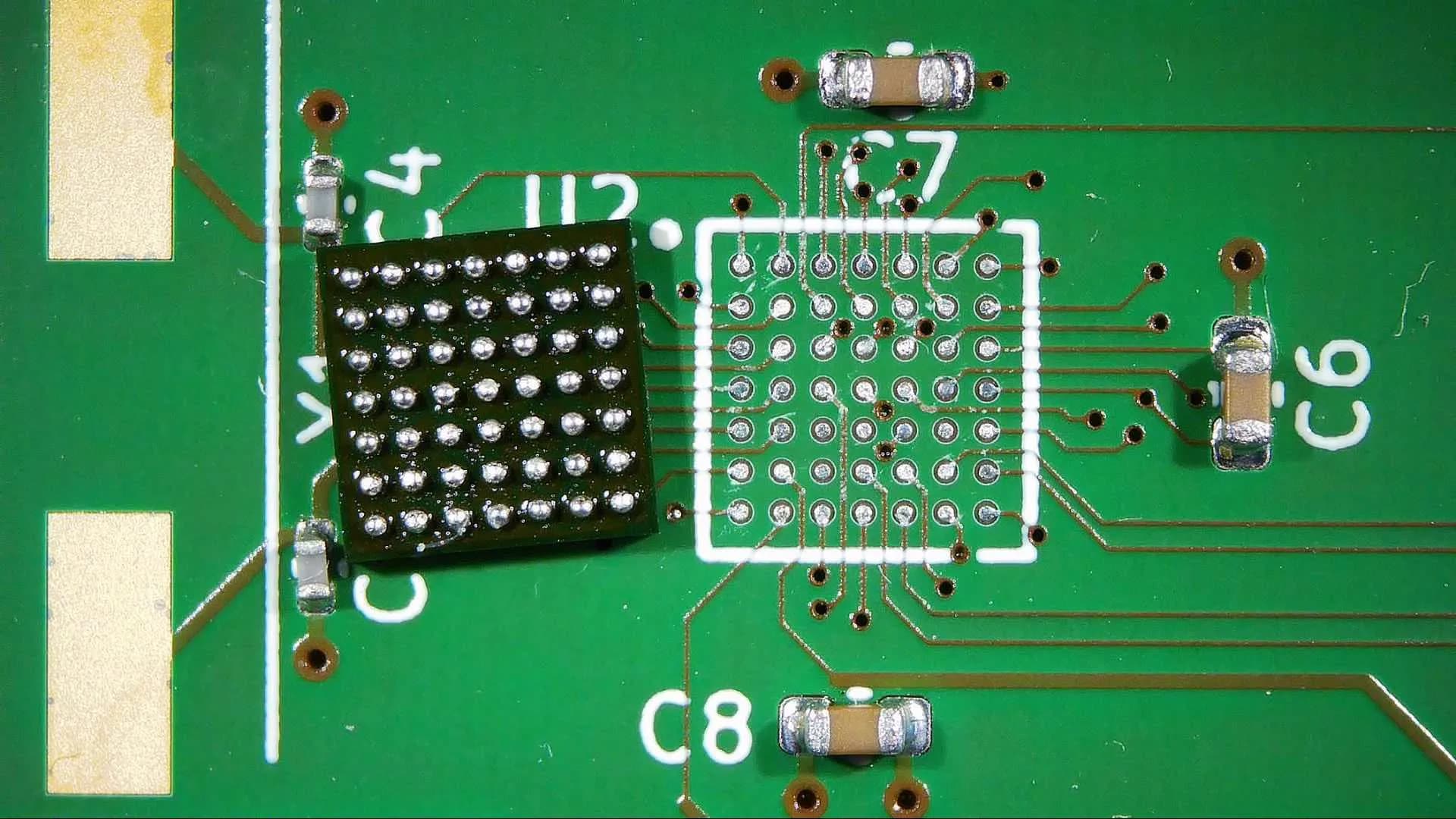
Similarly, on overseas forums, users attempting DIY BGA reflow encountered solder bridges and chip warping. Ultimately, they had to pay hundreds of dollars extra to professional repair shops to “put out the fire.” This case clearly illustrates:
DIY ≠ professional rework. Critical safety components like ECUs are not suitable for practice.
What Makes Third-Party BGA Rework Truly Reliable?
1️⃣ Proven Processes, Not “Unorthodox Methods”
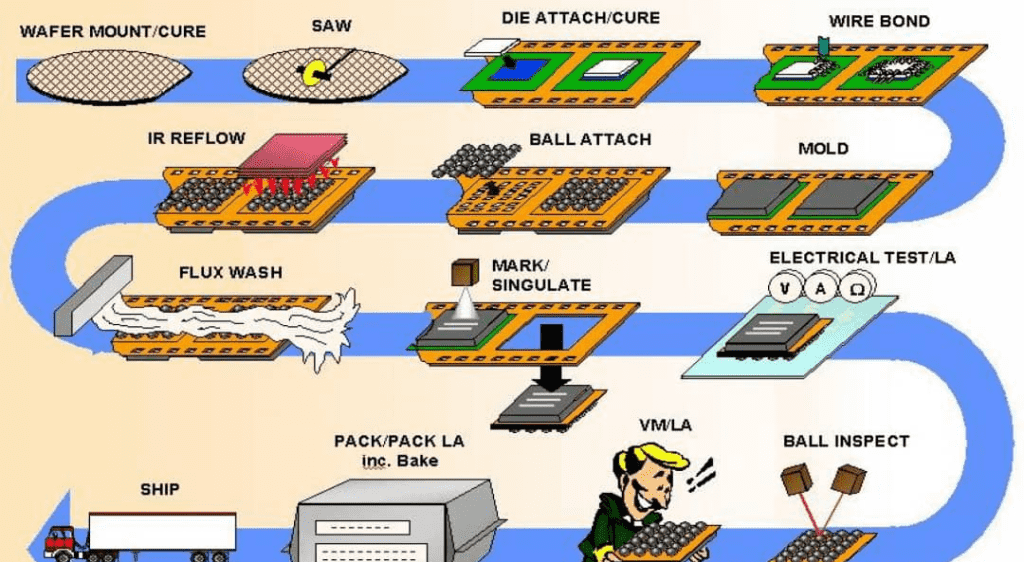
Professional third-party BGA rework typically follows standardized procedures:
-
ECU functional-level diagnostics (eliminating issues like power supply, wiring harnesses, or software configuration)
-
Precise temperature-controlled removal of faulty chips using dedicated BGA rework stations
-
Pad cleaning and microscopic inspection
-
Reballing
-
Reflow soldering with PCB warping control
-
Power-on testing + thermal cycling stability testing
With proper equipment and processes, experienced industry teams achieve approximately 80–90% success rates for typical BGA solder joint repairs (based on internal engineer statistics and industry experience, not official public data). This significantly outperforms the success rates of individuals or casual attempts by ordinary phone/appliance repair shops.
2️⃣ How to determine if a third-party provider is reliable?
Use these hard metrics for quick screening:
-
ISO 9001 or other quality management system certification
-
Use of professional BGA rework stations, not modified hot air guns
-
Does it have clear warping control and temperature curve management protocols?
-
Is it willing to provide repair process documentation and warranty terms, beyond just offering “the lowest price”?
In short:
The real cost of BGA rework isn't the solder itself—it's the capability to manage risks.
3️⃣ Regarding the 2025 ECU BGA Failure Rate (Important Note)
Currently, no authoritative database or report specifically tracking the “2025 failure rate of ECU BGA solder joints in new energy vehicles” has been found in publicly available sources. The conclusions in this article are primarily based on:
-
Growth trends in electric vehicle ownership and sales from 2023–2024
-
Actual increase in ECU board-level BGA failure cases observed in frontline repairs and industry feedback
-
Technological context of continuously rising vehicle electronic architecture complexity and thermal load
Therefore, a more rigorous statement is:
Based on reasonable inference from public data and frontline repair experience, ECU BGA-related failures have shown an upward trend in recent years, though precise authoritative statistical percentages are currently unavailable.
Conclusion: Is Third-Party ECU BGA Repair Worth It?
In a nutshell:
It's worth it—provided you choose the right provider and make informed decisions while fully understanding the risks.
Situations where third-party repair is worth considering:
-
Official service only offers complete assembly replacement, with quotes far exceeding the vehicle's current residual value or personal budget
-
Parts wait times span weeks or even months, severely impacting daily vehicle use
-
Preliminary diagnostics indicate faults concentrated in BGA solder joints or typical board-level issues
Situations where attempting repair is not recommended:
-
ECU has suffered severe water ingress, carbonization, or PCB delamination
-
Internal chip damage (e.g., overvoltage, breakdown) cannot be confirmed
-
Attempting repair solely out of curiosity without BGA experience or equipment
If you're facing an ECU failure in your new energy vehicle, instead of fixating on “repair or replace,” ask yourself:
Is replacing the entire assembly truly the only option for this board?
In many cases, the answer is: Not necessarily.